Artichoke Extract for Memory: Does It Work as a Nootropic?

Last Updated On November 3, 2026 by Robert Dowling
Artichoke extract is often sold as a “nootropic,” a supplement meant to support memory and focus. But does it actually work? Here’s what the research says about artichoke extract, what it may really help with, and what to know about side effects before you try it.
Globe Artichoke vs. Jerusalem Artichoke
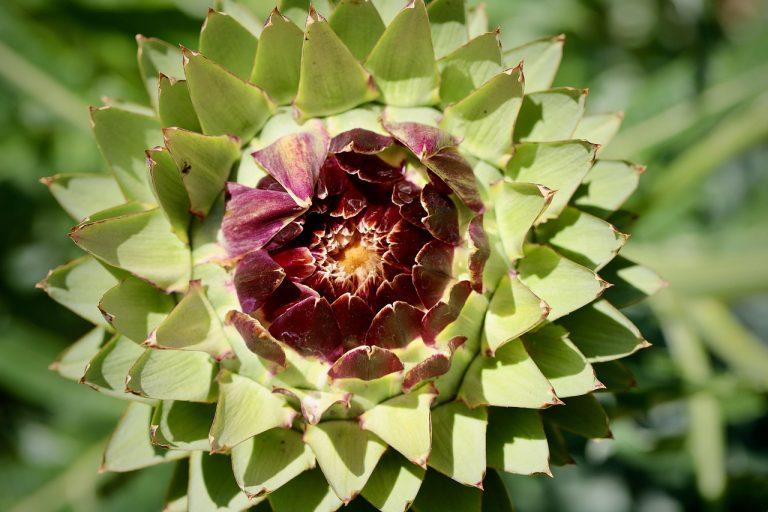
Two different plants share the name “artichoke.” The globe artichoke (Cynara cardunculus) is the flower bud of a thistle, with spiny leaves and an edible base called the heart. The Jerusalem artichoke, also called a sunchoke (Helianthus tuberosus), is the knobby tuber of a sunflower relative and is not related to the globe artichoke. Artichoke extract in supplements is usually made from the leaves of the globe artichoke. Both plants are low in fat and calories and provide fiber and antioxidants.
Artichoke Extract as a Nootropic

Artichoke leaf extract contains plant compounds such as cynarin, chlorogenic acid, and luteolin. It gained attention in nootropic communities because it is an ingredient in the supplement CILTEP, which is sold for memory and focus.
Lab and animal studies suggest luteolin may have protective effects on brain cells. One process researchers study is long-term potentiation (LTP), where connections between neurons get stronger as we learn. However, a result in cells or animals doesn’t mean a supplement improves memory in people. At this time, there are no good human trials showing that artichoke extract boosts memory, learning, or focus. The better-supported benefits of artichoke relate to digestion and cholesterol, which we cover below.
Artichoke and Liver Health
Artichoke leaf extract has been studied for liver health. Some small trials in people with fatty liver disease suggest it may lower liver enzymes, but results are mixed and the studies are small. Artichoke may increase bile flow, which helps your body digest fats, but there is no proof that it “detoxifies” the liver. Your liver and kidneys already do that job. If you have liver disease, talk to your doctor before taking any supplement, since some supplements can harm the liver.
Potential Benefits of Artichoke Extract
Research on artichoke leaf extract is limited, but it points to a few possible benefits:
- Digestion: Some studies suggest it may ease indigestion symptoms such as bloating, nausea, and a feeling of fullness.
- Cholesterol: A few reviews found modest reductions in total and LDL cholesterol, but the effect is small and does not replace a healthy diet or prescribed medication.
- Irritable bowel syndrome (IBS): Early research suggests it may help some people with IBS symptoms, but more studies are needed.
- Antioxidants: Artichokes contain antioxidants such as chlorogenic acid.
- Memory and thinking: Not proven in humans.
Eating whole artichokes is also a healthy choice, since they provide fiber, folate, vitamin C, vitamin K, and magnesium.
Side Effects and Who Should Avoid It
Most people tolerate artichoke extract well. The most common side effects are gas, bloating, stomach upset, and diarrhea. Allergic reactions are possible, especially in people who are allergic to plants in the daisy family, such as ragweed, marigolds, and chrysanthemums.
Because artichoke can increase bile flow, people with gallstones or a blocked bile duct should avoid it. There isn’t enough safety information for pregnant or breastfeeding women, so skip it unless your doctor approves. Check with your doctor first if you take any medications or have liver or gallbladder problems.
Artichoke in CILTEP
CILTEP is a multi-ingredient supplement that combines artichoke extract with forskolin and other ingredients. The idea behind it is that luteolin from artichoke and forskolin may affect signaling pathways linked to learning and memory. This theory is based on lab research and user reports, not on clinical trials of the finished product, so there is no proof that CILTEP improves memory in people.
Forskolin may lower blood pressure and may interact with blood thinners and blood pressure medications, so talk to your doctor before trying it.
How to Choose an Artichoke Extract Supplement
If you decide to try artichoke extract, choose a reputable brand that lists the amount of extract per serving. Look for third-party testing seals such as USP or NSF, and avoid “proprietary blends” that hide the exact amounts. Follow the label directions and start with a lower dose to see how your stomach tolerates it. In the U.S., supplements are not reviewed by the FDA before they are sold, and a supplement should never replace medical care.
Natural Ways to Support Memory
The habits with the strongest evidence for brain health are free. Get at least 7 hours of sleep per night (see our guide on [how to improve your sleep]), exercise regularly, and eat a balanced, Mediterranean-style diet rich in vegetables, fruits, whole grains, nuts, and fish. Staying mentally active, keeping up social connections, and managing blood pressure and blood sugar also matter. Learn more about how your gut and brain interact in our article on the [gut-brain connection].
Other Nootropic Supplements

Many nootropic supplements combine several ingredients instead of relying on one. Noocube is one example of a [brain supplement] that uses a blend of ingredients. Results vary from person to person, and the evidence for most nootropic blends is limited. If you’re curious, read our [detailed Noocube review] and talk to your doctor before trying any new supplement.
Frequently Asked Questions
Is artichoke extract a nootropic?
It is marketed as one, but there is no strong human evidence that it improves memory, focus, or learning. The better-supported benefits relate to digestion and cholesterol.
Does artichoke extract improve memory?
This is not proven. Lab studies on compounds like luteolin are interesting, but good human trials are lacking.
Is it safe to take artichoke extract every day?
Short-term use is considered safe for most healthy adults, but long-term safety is less studied. Ask your doctor first, especially if you are pregnant, have gallstones, or take medication.
Is eating artichokes as good as taking the extract?
Whole artichokes provide fiber and nutrients, but the amount of active compounds is different from concentrated extracts. Artichokes are a healthy food either way.