The Gut-Brain Connection: How Microbiome Shapes Health
Last Updated On July 28, 2026 by Robert Dowling
Do you remember getting “butterflies” before a big moment in your life or lacking appetite when stressed? Such common occurrences indicate the existence of a truly interesting connection between your stomach and brain. Researchers have come to realize that the digestive system has a lot more to do than just digesting food; it communicates with the brain constantly.
At the heart of this exchange is the gut microbiome. Gut Microbiome is a large collection of microorganisms numbering trillions and dwelling mostly in your intestines. The biggest portion of these microorganisms is made up of bacteria, but other microorganisms such as fungi and viruses do have an important role as well.
It has become clear that research conducted within the past decade has completely changed our view on the microbiome. Today we know that these bacteria influence not only the process of digestion, but also the work of the immune system, creation of certain substances, as well as the brain functioning. There are many other things to be discovered concerning the issue.
Read More: Brain C13 Review
What Is the Gut Microbiome?
The gut microbiome is defined as the set of microorganisms present within your gastrointestinal tract. The microflora is as unique as fingerprints of an individual and is affected by many different things like genes, diet, environment, age, and medications, etc.
In the digestive system, most of the microbes that exist are either beneficial or harmless to the body. These microbes assist in digestion of some of the food that the body cannot digest on its own. The other benefit of these microbes is their ability to produce vitamins such as vitamin K and B vitamins.
The problem is seen when these pathogens become more than the helpful microorganisms. The situation where there is an overgrowth of the harmful organisms is referred to as dysbiosis. This condition has been shown to be connected to the development of digestion problems, but it can also be responsible for other chronic diseases.
The microbiome is normally diverse when it is healthy. Increased diversity in the microorganisms is normally linked to increased resilience and general gut health. Consuming a varied diet contributes to the development of this diversity.
Understanding the Gut-Brain Connection
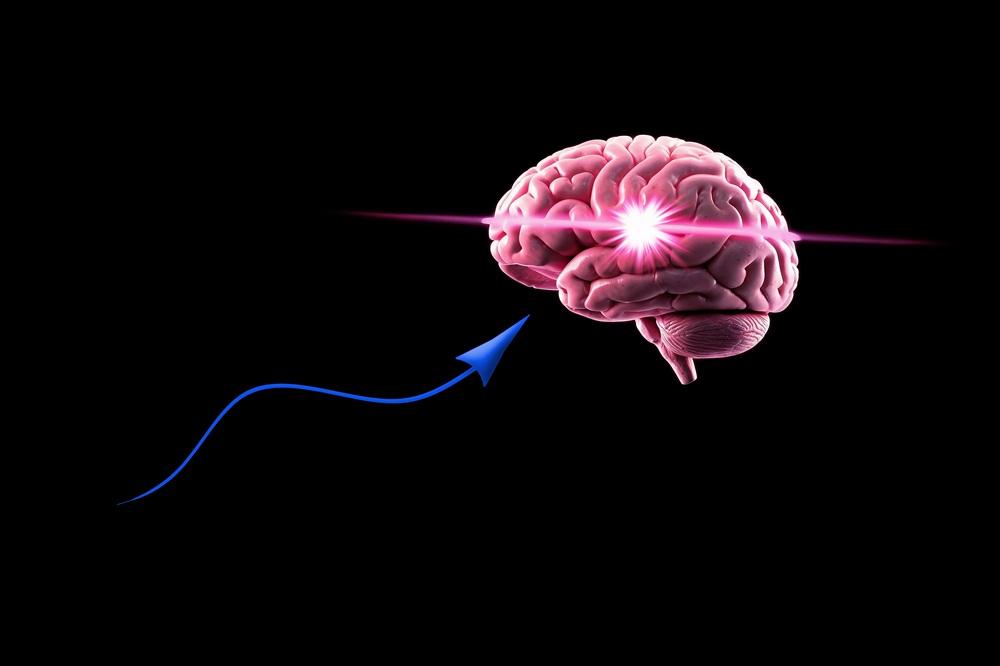
There is a communication between the gut and the brain through what is called the gut-brain axis. The communication involves nerves, hormones, immune messengers, and chemical messengers that are produced by the body itself and gut bacteria. This happens in a two-way manner.
One of the critical channels of communication is through the vagus nerve. The vagus nerve is a major nerve connecting the brain with other parts of the body like the digestive system. This is a nerve that enables communication in the process of digestion.
Also Read: Cognicare Pro Review
There are other compounds made by gut bacteria that affect this interaction. Certain microbes make short chain fatty acids by digesting fiber. This helps in keeping the integrity of the lining of the intestines and is also important for healthy functioning of the immune system.
However, what is interesting is that a lot of neurotransmitters are manufactured in the digestive tract. Most of the body’s serotonin, for instance, is produced in the gut. Serotonin regulates digestive activities, whereas the one used by the brain is manufactured inside the brain as it does not pass through the blood-brain barrier. Still, some gut bacteria could impact body signalling mechanisms indirectly.
How Your Microbiome Supports Overall Health
The microorganisms present in your microbiome are important for digestion since they assist in breaking down carbohydrates and fiber which cannot be digested in the body. This leads to the production of substances that aid in maintaining healthy intestines.
The gut also houses a lot of the immune cells in the body. Beneficial bacteria play a key role in training the immune system to identify invaders that are harmful but also prevent an immune response when it is not necessary.
The intestine wall is like a shield which allows the absorption of nutrients in blood and prevents the passage of bad substances into the bloodstream. Intestinal flora has beneficial roles in shielding the intestine lining from damages.
In addition, the relationship between the microbiome and obesity, type 2 diabetes, cardiovascular diseases, and some inflammatory conditions is also being investigated by scientists. Despite the success of research, these diseases develop as a consequence of many factors. It is necessary to consider the microbiome as just one element of this puzzle of health.
The Gut and Mental Well-Being
Growing scientific interest has been noted concerning the relationship between gut health and mental well-being. Many research works have proven the connection between the changes in gut bacteria and the symptoms of anxiety, depression, and stress reactions. However, the specifics of this connection should be investigated to get the whole picture.
Stress can also have an effect on the microbiome in a direct way. For example, chronic stress may bring about alterations in the digestive system, sleep, food intake, and hormones; hence, affecting the gut bacteria balance. This creates a two-way relationship between the brain and the gut.
While researchers are still studying this area, better gut health is not an alternative to effective treatment options for mental health problems. Good mental well-being consists of a proper diet, physical activity, sufficient rest, stress reduction, and professional care.
Also Read: Top 10 Crucial Health Tips for The Brain
Best Foods to Support Your Gut Microbiome
The diet will play an important role in influencing the microbiome composition. Consuming many plants means that there is enough consumption of fiber to support the good bacteria. You can get fiber from various sources including vegetables, seeds, fruits, nuts, and whole grains.
The fermented food products could also be good for digestion purposes. The live cultured yogurt, kefir, kimchi, sauerkraut, and fermented food products have beneficial microorganisms. While the fermented food could be included in one’s healthy diet, they could complement rather than replace healthy food products.
Prebiotics are other important components in good digestion, and the food for beneficial bacteria. Some of the prebiotic foods that can be included in your daily diet include garlic, onions, leeks, bananas, and oats.
However, most processed foods are characterized by their high content of sugars but lack fiber; hence, reducing the diversity of microbes in the body. Consuming such foods on an infrequent basis won’t necessarily be harmful; however, creating meals from nutrient-filled foods will reap many more benefits.
Lifestyle Habits That Protect Gut Health
There is more to it than just diet. Physical activity has been associated with increased microbial diversity as well as better digestion. Walking briskly will do just fine when it comes to attaining the best health status.
Sleep quality is equally important too. Sleep deprivation may negatively impact the microbial community of the gut, while the healthy state of microbial community will have a positive influence on one’s sleep owing to its relation to the bodily system.
Stress is a significant factor that can negatively affect your gut health. Meditation, deep breathing, enjoying the nature, engage in activities you like are some effective ways to relax.
Antibiotics are at times life-saving; however, they also terminate the good intestinal bacteria. One should take antibiotics of only a licensed doctor prescribes it.
Read More: Free Brain Exercises for Seniors
Common Myths about the Microbiome
There are many products which advertise themselves as products that will “heal” or “reset” your gut system within a few days. There is no scientific proof to back up these claims. Creating a good microbial community generally takes time through proper lifestyle practices.
Yet another prevalent misconception is that everyone requires probiotics as supplements. Although probiotics can be helpful to some people in treating particular diseases, they are certainly not essential for everyone. A healthy individual’s diet still forms the basis of any healthy digestion system.
Signs Your Gut May Need Attention
Digestive problems can be considered a natural occurrence from time to time. However, if symptoms like gas, constipation, diarrhea, stomach pain continue, then one should not ignore it.
Illnesses, fatigue that cannot be explained by anything else, or inability to tolerate some food items may also suggest health issues. These problems are not associated exclusively with the microbiome and thus self-diagnosis is not recommended. The problem can be diagnosed by a health care specialist.
Read More: Best Brain Supplements What Works, What Doesn’t Work
Final Thoughts
Brain and gut relation suggest that digestion is not only an activity that occurs in the stomach. Microbiome of the gut guarantees optimal digestion boosts immunity and keeps the gut and brain in constant contact with one another. Although scientists are still investigating all the advantages of the unique connection, one cannot deny its significance for health.
One way of encouraging the microbes within the digestive system is by ensuring that good practices are put in place. For instance, one should eat varied foodstuffs, eat fiber-rich foods, consume fermented foods on a regular basis, exercise, get adequate sleep, de-stress, and refrain from taking excess medications. All these scientifically proven steps would not only help maintain good health of the gut but also help to remain healthy overall.