How Your Diet Affects Your Brain and Sleep?

Last Updated On August 15, 2026 by Robert Dowling
Food is not just for satiating your hunger, but it is something which has nutritional value to influence your brain functioning and sleeping patterns. It impacts your memory, concentration levels, moods, energy, and even guarantees your good sleep. Bad food decisions could have negative impacts on both your mental state and sleep.
Most people think about their nutrition in connection with losing or gaining weight or even cardiovascular system health. Nevertheless, not many people know about the impact of nutrition on brain activity and sleeping patterns. The role of nutrients, meal time, and nutrition in general in affecting our body’s most complicated organ and sleep is still under scientific studies.
Brain is an organ which works all day round even while you are asleep, regulating your thoughts, emotions, controlling the movement of the body, and even some of your body’s less noticeable activities.
Why Nutrition Matters for Brain Health
The brain, though relatively smaller, consumes a lot of energy. The carbohydrates contain glucose, which provides the body with the source of energy. Through consumption of foods rich in nutrients, one will be able to think clearly.
Good fats, vitamins, minerals, and amino acids also perform an equally important role in ensuring the proper functioning of the brain by means of efficient neuronal communication. They help in the formation of neurotransmitters for message transmission in the nervous system.
Malnutrition can impair brain functioning in the long term. The consumption of highly processed food and sugar has been linked to poor cognitive function through observational research. Nevertheless, there are various other factors that determine brain well-being, such as physical exercise, sleep, and genes.
🔎 Also Check Out: NiteHush Pro Reviews: Amazing Sleep Support or a Scam?
How Diet Influences Sleep
There exists a bidirectional relationship between sleep and nutrition. The food you eat will affect your sleep, and bad sleep will affect your choice of food the next day. Knowledge about this link will assist you to make informed decisions.
Some nutrients play a part in assisting the natural process of sleep in the body. These nutrients include magnesium, potassium, and tryptophan which contribute to activities that promote sleep. Though there is no particular food that can assure one of good sleep, a balanced diet does.
Meal times are also significant. Eating large meals immediately before going to sleep may cause difficulties for some individuals. The dinner meal should be taken a number of hours before sleeping time so that proper digestion is allowed at night.
Nutrients to Boost Your Brain
Your brain depends on various key nutrients to function properly. Good fats assist in maintaining the brain cell structure and facilitate brain cell communication. Good fats also play an important role in cognition and learning.
B vitamins are essential in the conversion of foods to energy, as well as in maintaining the nervous system. B vitamins are also vital in the production of certain brain chemicals that determine mood, concentration, and cognitive functioning.
Antioxidants will ensure that there will be no oxidative stress of the cells in the brain. This is an irreversible condition of the body whereby the cells are damaged. Consumption of foods containing antioxidants will help ensure that the brain remains healthy.
Important minerals such as iron, zinc, and magnesium are the key in ensuring that there is oxygen transportation, nerve signalling, energy production, and brain activities. A balanced diet containing minerals will help ensure that the brain functions well throughout the life span.
Foods That May Support Better Sleep
Complex carbs help maintain an even source of energy and can promote a more stable blood sugar response upon consumption. In place of refined grains, it is recommended to go for whole grains, brown rice, whole-wheat, and oats.
The amino acids present in proteins assist in making up important elements in the body. There are many types of meat such as chicken, turkey, fish, eggs, milk, legumes and beans that can be eaten at night.
Dietary sources of magnesium that include spinach, almonds, pumpkin seeds, and black beans play a role in various bodily processes including nerve and muscle function. Even though lack of magnesium may affect some people’s sleep, it should only be supplemented when necessary.
Kiwifruit and tart cherries are among the fruits that have undergone scientific scrutiny to determine whether they may affect sleep. While there is evidence pointing to promising findings, the evidence available is limited. They may be incorporated into one’s healthy diet but not used as sleep aids.
Foods and Drinks That May Disrupt Sleep
The effects of caffeine have been confirmed to interrupt sleep. Some products that have caffeine are coffee, tea, energy beverages, chocolate, and some soft drinks. Taking them just before bed time can prevent someone from sleeping.
Eating sugary foods and drinking sugary drinks may affect sleep indirectly. Regular intake may cause inconsistent energy levels as well as promote unhealthy eating habits. Eating nutritious foods will enhance your brain function and help in overall good health.
At first, alcohol induces sleepiness in you; however, at a later stage, alcohol disturbs the whole sleeping process. The sleep process gets disturbed due to the interference of alcohol with the sleep pattern and results in more awakenings at night.
The Importance of Hydration
Water is crucial for the normal functioning of the brain as well as for sleep. Mild dehydration can have an effect on one’s ability to focus and memorize things, as well as influence one’s mood. In addition, some individuals may also get headaches or feel tired because of insufficient water consumption during the day.
Hydration is important for the proper working of the body and the brain, but too much consumption of water just before sleeping may cause the individual to wake up frequently at night.
The Gut-Brain Connection
Scientists have come to learn that the stomach and brain exchange information all the time via something called the gut-brain axis. Trillions of microorganisms within your body that reside in your digestive system assist in processes such as digestion, immunity, and the formation of certain chemicals for this process.
The consumption of diets that include fruits, vegetables, whole grains, legumes, nuts, seeds, and fermented foods can promote good gut microbiota. Even though scientific evidence is still growing, it seems that a diverse microbiota has benefits for general well-being and perhaps brain and sleep performance.
📌 Related Guide: Best Mouthpieces for Snoring – According to Sleep Experts
Why Meal Timing Matters
The time at which one eats is equally important as the food that he or she eats. Improperly timed meals can disrupt the biological clock of the body. Proper timing of eating habits is essential in order to maintain synchronization of the digestive system with the biological clock.
Sporadic eating may make some individuals feel tired or lacking in energy. Overeating at night is another factor that can affect the quality of one’s sleep. Healthy eating and timing of dinner a couple of hours before going to sleep will increase energy.
Foods That Support Focus and Memory
The importance of breakfast in the morning cannot be understated since you get the required energy from this meal in order to function in the body and mind due to the fact that you fast all night. The following ingredients make up the breakfast meal.
There is no such type of food available which can actually increase brain power to any considerable extent. Instead of concentrating on only one type of food being termed as superfood, one must consume various types of foods for brain health.
Common Nutrition Mistakes
A typical mistake is relying too much on very processed convenience foods. Such foods have added sugars, bad fats, and even more salt, while providing little nutrition. Using whole foods wherever possible would be beneficial for one’s body and mind.
The next error people commit is sticking to extremely limited diets without consulting their doctors. This can lead to a deficiency of important nutrients in the body, which affects people’s performance and even their well-being.
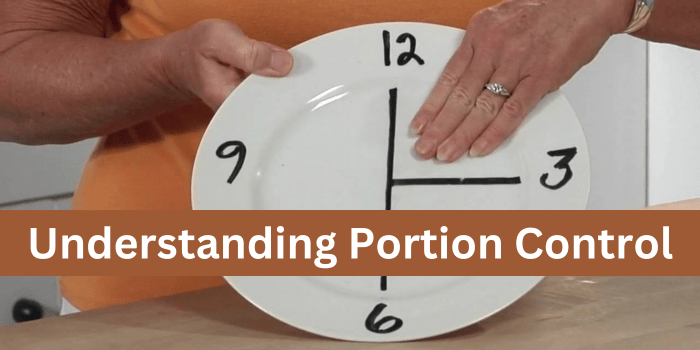
Many individuals also forget about the size of their portions. Consuming significantly more food than required will make an individual feel sluggish, whereas consuming less will affect the individual’s energy levels and mental focus. Understand what your body says.
Final Thoughts
Brain and Sleep Patterns Are Determined by Daily Decisions Made by Individuals. Healthy foods give the energy the brain requires for optimal performance. Brain and sleep are determined by what we eat daily because healthy foods give the brain energy for proper functioning while unhealthy foods may have the opposite effect.
There is no such food product which can ensure you have a sharp brain or flawless sleep. The truth is, you can succeed by having the correct nutritional diet, staying hydrated, eating on time, and having a healthy lifestyle. With exercising and good sleeping habits, nutrition takes its place among the best brain health methods.
👀 Don’t Miss: Read Next: [Yu Sleep Reviews: Complaints & Ratings!]