How Does Protein Help With Weight Loss?
Last Updated On September 16, 2026 by Robert Dowling
Protein is often one of the first nutrients people focus on when trying to lose weight, and there is a good reason for that. Protein-rich foods can help you feel satisfied after meals, support muscle maintenance during weight loss, and slightly increase the amount of energy your body uses to digest food.
But a high-protein diet is not a magic solution for losing body fat. Your overall calorie intake, food choices, physical activity, sleep, and consistency still matter.
The good news is that you don’t need an extreme diet to get the potential benefits of protein. Adding a reasonable source of protein to your meals can make a weight-loss eating plan more filling and easier to maintain.
So, how does protein actually help with weight loss? Let’s take a closer look.
Why is Protein one of the most Important Nutrients for the Human Body?
Protein is an essential part of a balanced diet and a healthy meal. Protein is a nutrient required by the body for cell growth and repair, as well as for its proper functioning. Proteins are composed of building units known as amino acids which are very important for health. There are around 20 distinct amino acids that can bind together in various combinations which the body then converts into new proteins like muscle and bone, as well as enzymes and hormones. This converted product can then potentially be used as an energy source.
Some proteins are also found in the form of hormones, which are chemical messengers that facilitate communication among cells, tissues, and organs. This ensures that a vital function of the body is being managed efficiently. Proteins also function as a buffer mechanism, assisting your body in maintaining proper pH levels in the blood and other vital fluids. Therefore, protein is a really important nutrient for maintaining the overall health and well-being of a person.
Does Protein Help You Burn More Calories?
Protein does require more energy to digest and process than carbohydrates or dietary fat. This is known as the thermic effect of food.
That means a higher-protein meal can increase the amount of energy your body uses during digestion. Recent research also supports the idea that higher-protein meals can increase diet-induced thermogenesis compared with lower-protein meals.
However, this effect should not be exaggerated.
Eating protein does not mean your body will suddenly burn large amounts of stored body fat. The extra energy expenditure is only one small part of the weight-loss equation.
Protein is more useful because it can work in several ways at the same time: it can improve meal satisfaction, support muscle during weight loss, and contribute to a balanced eating pattern.
Can Protein Make It Easier to Eat Fewer Calories?
Weight loss usually requires taking in fewer calories than your body uses over time. For many people, the difficult part isn’t understanding this—it is dealing with hunger while eating fewer calories.
Protein may help here.
A meal that contains chicken, fish, eggs, Greek yogurt, beans, lentils, tofu, or another protein source can be more satisfying than a meal built mainly around refined carbohydrates.
When meals are more filling, some people find it easier to control portions and avoid unnecessary snacking later.
Protein is therefore not a substitute for calorie control. Instead, it can be one of the tools that makes a calorie-controlled eating pattern easier to follow.
A sustainable diet is generally more useful than an extremely restrictive plan that becomes difficult to maintain.
Protein Can Help Protect Muscle During Weight Loss
When you lose weight, the goal is generally to reduce excess body fat while maintaining as much lean tissue as reasonably possible.
Getting enough protein can support muscle preservation during a calorie-restricted diet. This becomes particularly important when weight loss is combined with resistance training.
A systematic review and meta-analysis of adults with overweight or obesity found that increased protein intake helped reduce muscle mass loss during weight-loss efforts.
This is one reason a weight-loss plan should not focus only on the number on the scale. Food quality, protein intake, strength training, and regular physical activity can all contribute to a healthier approach to changing body composition.
What are Some Good Sources of Protein?
Protein is needed to maintain the overall good health of the body. Healthy protein sources include eggs, nuts, lean meats, fish, dairy, and some grains. The sources of protein can therefore be grouped largely into plant based, dairy based and animal-based protein sources. This makes it easier for you to determine the kind of protein you would like to intake based on your dietary preferences.
Plant-Based Protein Sources
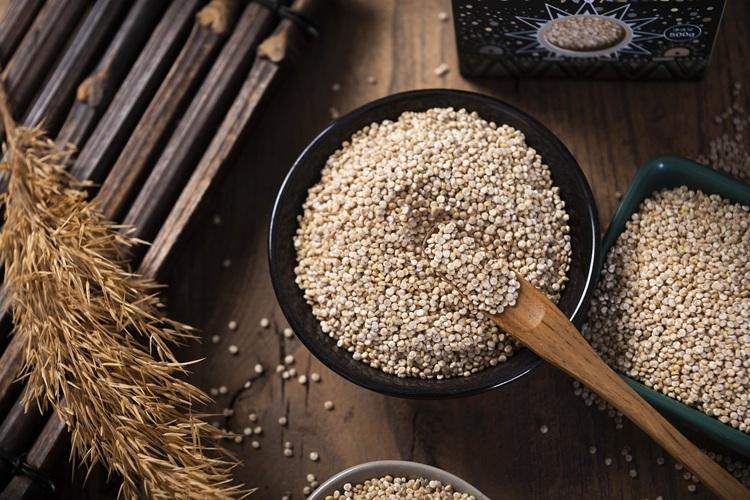
Almonds are great and healthy tree nuts that contain critical elements such as fibre, vitamin E, and magnesium which are rich in plant- based protein. Lentils and pulses are one of the richest plant based protein sources that makes them an excellent choice for vegetarians and vegans. They are also rich in other nutrients such as fibre, magnesium, potassium, and iron. Furthermore, quinoa is another great source of protein for the body. Quinoa is commonly referred to as a complete protein since it includes all nine essential amino acids that the body cannot produce on its own.
- Lentils
- Black beans
- Chickpeas
- Peas
- Tofu
- Tempeh
- Edamame
- Nuts
- Seeds
Dairy based protein sources:
Dairy based milk contains a small amount of almost every vitamin that one’s body needs. Milk is often called a whole meal in itself. It is also a good source of high quality protein, and is high in vitamins and minerals, like calcium. However, a lot of people who have lactose intolerance cannot handle milk and other dairy products, therefore they avoid many dairy containing foods. However, they can consume soy or almond milk which are good substitutes of dairy based milk. Further, greek yogurt and cottage cheese are also great sources of protein within them and are good for the body.
Animal-Based Protein Sources
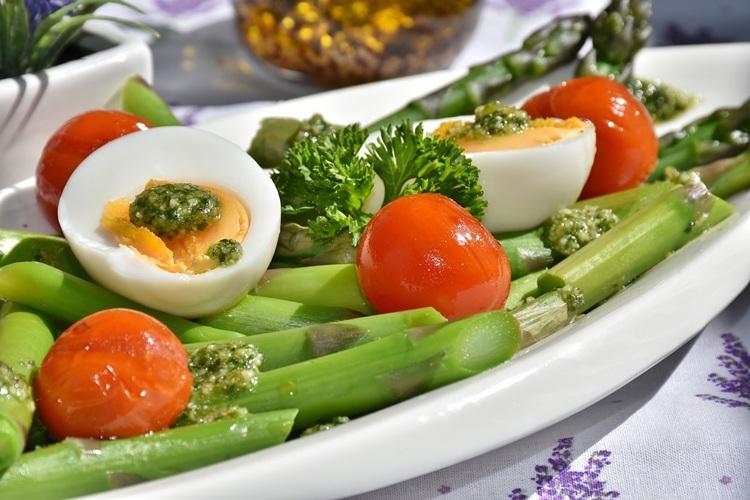
Whole eggs are a fantastic source of proteins, vitamins and minerals. The white part of the eggs are purely composed of proteins and are great for health. Further, If you want to improve your protein consumption, chicken breast is a good option to go for based on your diet. It is rich in protein and other sources of vitamins and zinc. Furthermore, fish is a great source of protein for the body. People who consume fish are also at lower risk for heart diseases and certain types of diabetes.
- Eggs
- Chicken breast
- Turkey
- Lean beef
- Fish and seafood
- Tuna
- Salmon
- Greek yogurt
- Cottage cheese
- Low-fat milk
Easy High-Protein Meal Ideas
Adding more protein does not have to mean completely changing the way you eat. A few simple substitutions can make everyday meals more balanced.
Breakfast
Try scrambled eggs with whole-grain toast and fruit, or Greek yogurt with berries and a small serving of nuts.
Lunch
A grilled chicken salad, turkey sandwich on whole-grain bread, or a bowl made with beans, vegetables, and brown rice can provide a satisfying combination of protein and fiber.
Dinner
Grilled salmon with roasted vegetables and potatoes is one option. Another is lean ground turkey with vegetables and a moderate portion of whole-grain pasta or rice.
Snacks
Depending on your dietary needs, convenient options include Greek yogurt, cottage cheese, a boiled egg, edamame, or a small serving of nuts.
The goal isn’t to make every meal extremely high in protein. The goal is to make protein a consistent part of a balanced eating pattern.
Do You Need Protein Powder to Lose Weight?
Not necessarily.
Many people can get plenty of protein from regular foods. Protein powder can simply be a convenient option for someone who struggles to get enough protein from meals.
For example, a protein shake may be convenient after a workout or during a busy morning. But it should not automatically be considered better than whole foods.
If you use a protein powder, check the serving size, calories, added sugar, and ingredient list. A product with a high protein number can still add more calories to your diet than you realize.
For most people, protein powder is best viewed as a convenience—not a requirement for weight loss.
Common High-Protein Diet Mistakes to Avoid
A high-protein diet can still be poorly balanced. Here are a few mistakes worth avoiding.
Eating More Protein Than You Actually Need
More protein is not automatically better. Individual needs vary based on factors such as body size, age, activity level, and health status.
Forgetting Fiber
Don’t replace vegetables, fruits, beans, and whole grains simply to increase protein. Fiber-rich foods can help create filling and nutritious meals.
Choosing Highly Processed Protein Foods
Protein bars, shakes, processed meats, and other packaged foods can be convenient, but some are also high in added sugar, sodium, saturated fat, or calories.
Ignoring Total Calories
A high-protein diet can still lead to weight gain if total calorie intake consistently exceeds your body’s needs.
Expecting Protein to Do Everything
Protein can support a weight-loss plan, but it cannot replace regular physical activity, sensible portions, adequate sleep, and an eating pattern you can maintain over time.
What About Weight-Loss Supplements?
Food and lifestyle habits should remain the foundation of a weight-loss plan. However, some people also explore weight-management supplements as an additional option.
If you’re considering a supplement, it’s worth looking beyond marketing claims. Check the ingredients, intended use, customer feedback, potential drawbacks, and the company’s purchasing and refund information.
If you’re researching this category, you can also read our PhenQ review, where we look at the product, its ingredients, claimed benefits, customer feedback, and important things to consider before buying.
A supplement should be viewed as an optional addition to a healthy routine—not as a replacement for nutritious food, exercise, or sustainable lifestyle changes.
How Much Protein Do You Need?
There isn’t one protein target that works perfectly for every person.
Your needs can vary based on your body size, age, activity level, exercise routine, overall diet, and health goals. Someone who regularly performs resistance training may have different needs from someone who is mostly sedentary.
For this reason, it is better to think about protein as part of your overall diet rather than chasing an extremely high number.
If you have kidney disease or another medical condition that affects your diet, speak with a qualified healthcare professional before significantly increasing your protein intake.
Final words
Protein can be a useful part of a weight-loss diet because it can help with fullness, calorie control, and the preservation of lean muscle.
But you don’t need to follow an extreme high-protein diet to benefit from it.
A more practical approach is to include a sensible protein source in your meals while also eating vegetables, fruits, high-fiber carbohydrates, and healthy fats.
Think of protein as one part of the bigger picture. A sustainable eating pattern, regular physical activity, appropriate portions, and consistency are still important for long-term weight management.
If you’re also considering a weight-loss supplement, research the ingredients and product claims carefully before making a purchase.
Frequently Asked Questions
Is a high-protein diet good for weight loss?
A higher-protein diet can support weight loss by helping with fullness, calorie control, and muscle preservation. It works best as part of a balanced eating pattern.
Does protein help reduce hunger?
Protein can increase feelings of fullness after meals, which may help some people manage hunger and reduce unnecessary snacking.
What are the best protein foods for weight loss?
Eggs, chicken, fish, Greek yogurt, cottage cheese, beans, lentils, tofu, and other minimally processed protein-rich foods can all fit into a weight-loss diet.
Can I eat carbohydrates while following a high-protein diet?
Yes. You do not need to eliminate carbohydrates. Vegetables, fruits, beans, oats, brown rice, and other high-fiber carbohydrate sources can all be part of a balanced diet.
Is protein powder necessary for weight loss?
No. Protein powder is not required for weight loss. It can simply be a convenient way to add protein when getting enough from regular meals is difficult.
Can too much protein prevent weight loss?
Eating more protein than you need does not guarantee faster weight loss. Total calorie intake and the overall quality of your diet still matter.
Can protein help maintain muscle while losing weight?
Adequate protein intake may help reduce muscle loss during a calorie-restricted diet, particularly when combined with resistance exercise.
Can I use a weight-loss supplement with a high-protein diet?
Some people choose to use supplements alongside their diet, but supplements should not replace nutritious foods and healthy lifestyle habits. Research the ingredients and product information carefully before buying.