An Overview of ‘Creatine’ – Its Functions, Benefits, and other Key Characteristics
Last Updated On September 18, 2026 by Robert Dowling
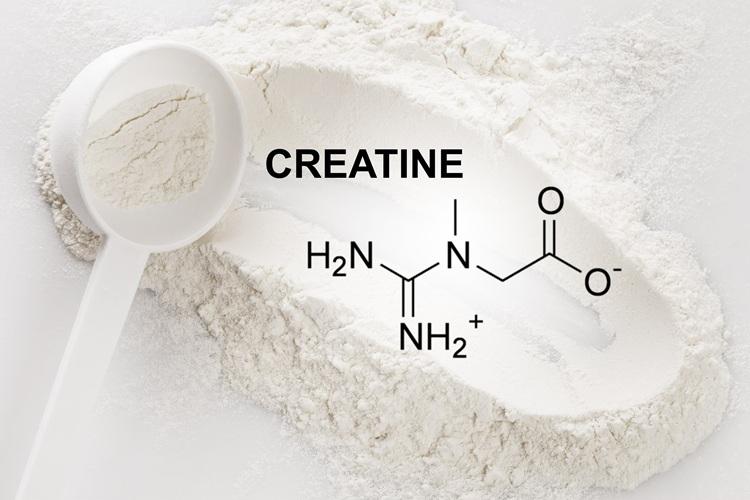
Creatine is a naturally occurring compound that plays an important role in the body’s energy system, particularly in skeletal muscle. It is also available as a dietary supplement and is widely used by athletes, recreational lifters, and people following strength-training programs.
Creatine supplementation is best known for supporting high-intensity exercise performance, strength, and lean muscle development when combined with regular resistance training. Creatine monohydrate is also the most extensively studied form of creatine.
Where Can Creatine be Found?
Creatine is naturally produced by the body, primarily through processes involving the liver, kidneys, and pancreas. It is then stored mainly in skeletal muscle, where it helps support energy production during physical activity.
Creatine can also be obtained from certain animal-based foods, particularly meat and fish. People who eat little or no animal food generally consume less dietary creatine, although the body still produces creatine naturally.
Creatine supplements are commonly available as powders, capsules, tablets, and other forms. Among these, creatine monohydrate has been studied extensively for exercise and performance.
Functions of Creatine
Energy Production
One of creatine’s main functions is supporting the body’s ATP energy system. During short, high-intensity activities such as resistance training, sprinting, or repeated bursts of exercise, muscles need a rapid supply of energy.
Creatine is stored in muscle as phosphocreatine and helps regenerate ATP during these demanding activities. This is one of the main reasons creatine supplementation can support high-intensity exercise performance.
Exercise Performance and Fatigue
Creatine may help people maintain performance during repeated high-intensity exercise. This can be particularly useful during strength training and other activities that place heavy demands on the muscles.
However, creatine should not be viewed as a general treatment for tiredness or everyday fatigue. Sleep, nutrition, hydration, recovery, and training volume also play important roles in how energetic you feel.
Muscle Growth and Lean Mass
Creatine can support increases in lean body mass when combined with resistance training and an appropriate diet.
Some of the early increase in body weight after starting creatine is related to greater water storage within muscle cells. Over time, consistent resistance training, adequate nutrition, and recovery are important for building actual muscle tissue.
Creatine is therefore best viewed as a supplement that can support a good training program rather than a replacement for exercise or nutrition.
How Creatine May Support Workout Performance
Creatine supplementation can help support performance during high-intensity exercise, particularly activities involving repeated short bursts of effort.
This may allow some people to maintain training quality and perform more work during resistance exercise. The effects can vary between individuals, and creatine works best alongside consistent training, adequate protein, sufficient calories, and proper recovery.
Creatine and Brain Function
Creatine is also being studied for its possible effects on brain function and cognition. Some research suggests that creatine supplementation may have cognitive benefits in certain situations or populations, but the evidence is not yet strong enough to describe creatine as a proven cognitive enhancer.
Recent research in older adults is promising but still limited, so more high-quality clinical studies are needed. For now, creatine is better known for its established role in muscle energy and exercise performance.
Who Should Be Careful With Creatine?
Creatine is generally well tolerated by healthy adults when used appropriately, but supplements are not suitable for everyone.
People with kidney disease, liver disease, other significant medical conditions, or those taking medications should speak with a healthcare professional before starting creatine. Pregnant or breastfeeding individuals should also discuss supplement use with their healthcare provider.
It is also important to follow the serving instructions of the specific product rather than assuming that more creatine will produce better results.
How Is Creatine Usually Taken?
Creatine is commonly taken consistently rather than only before or after individual workouts. A typical approach used in research is daily creatine monohydrate supplementation, although the appropriate amount can vary depending on the product and individual circumstances.
Some people use a loading phase followed by a lower daily maintenance amount, while others start with a regular daily amount without loading. A loading phase is not essential for everyone.
The important point is consistency rather than taking creatine only on workout days. Always follow the product’s serving instructions and speak with a healthcare professional if you have a medical condition or take medications.
What Happens When You Stop Taking Creatine?
Stopping creatine does not usually cause a dangerous withdrawal effect. Instead, the extra creatine stored in your muscles gradually returns toward its normal baseline over time.
Muscle Water and Body Weight
Some people may notice a small reduction in body weight after stopping creatine because the additional water stored within muscle cells decreases. This is not the same as losing all of the muscle built through training.
Training Performance
If creatine was helping you maintain performance during high-intensity workouts, you may notice some difference after stopping it. However, your regular strength and muscle-building progress still depend heavily on training, nutrition, recovery, and consistency.
Natural Creatine Production
The body naturally produces creatine, and stopping supplementation does not mean that your body permanently loses its ability to make creatine.
Should you take Creatine?
Creatine may be worth considering for adults who regularly participate in resistance training, high-intensity exercise, or sports where repeated bursts of effort are important.
People who consume little or no meat may have lower dietary creatine intake, which is one reason creatine supplementation has received particular interest among vegetarian and vegan populations. However, that does not mean every vegetarian or vegan person needs a creatine supplement.
As with any supplement, consider your goals, diet, training routine, health status, and the specific product before deciding whether it is appropriate for you.
What Should You Look for in a Creatine Supplement?
If you decide to use a creatine supplement, keep the choice simple.
Look at the type of creatine, serving size, ingredient list, and the reputation of the manufacturer. Creatine monohydrate is the most extensively studied form, so there is usually no need to choose a complicated formula simply because it contains several different forms of creatine.
Also check for unnecessary stimulants, added ingredients, serving instructions, and the total cost per serving.
A straightforward product with clear labeling can make it easier to understand exactly what you are taking.
Looking for a Creatine Supplement?
If you’re researching creatine products for your workout routine, you may also want to read our Crazy Nutrition review, which includes information about its Ultimate CRN-5 creatine formula.
Before buying any creatine supplement, compare the ingredient list, serving information, price, and your own fitness goals rather than choosing a product simply because it contains multiple forms of creatine.
Frequently Asked Questions
Is creatine safe for healthy adults?
Creatine is generally well tolerated by healthy adults when used appropriately. People with medical conditions or those taking medications should discuss supplementation with a healthcare professional.
Does creatine make you gain weight?
Creatine can cause some initial weight gain because it increases water stored in muscle cells. This is different from gaining body fat.
Do you need to take creatine every day?
Creatine is commonly taken consistently, including on rest days, rather than only on workout days. Follow the serving instructions for the specific product.
What happens if you stop taking creatine?
The extra creatine stored in your muscles gradually decreases toward its normal level. Some of the associated water weight may also decrease.
Is creatine monohydrate a good option?
Creatine monohydrate is one of the most extensively studied forms of creatine and has strong evidence supporting its use for exercise performance and lean mass when combined with appropriate training.
Final Words
Creatine remains one of the most widely studied supplements for people interested in strength training, high-intensity exercise, and lean muscle development.
Its best-supported benefits are related to the body’s energy system and exercise performance, particularly when creatine supplementation is combined with consistent resistance training and good nutrition.
Research into other potential uses, including cognitive benefits, is still developing. For most people considering creatine, it makes sense to focus on realistic goals, consistent use, proper training, and overall diet rather than expecting the supplement to work on its own.
If you have a medical condition, take prescription medication, or are unsure whether creatine is appropriate for you, speak with a healthcare professional before starting supplementation.