Unlock Restful Nights: The Ideal Ways to Improve your Sleep

Last Updated On September 18, 2026 by Robert Dowling
Getting good sleep is an important part of maintaining physical and mental well-being, but many people struggle to fall asleep or stay asleep through the night. Busy schedules, stress, irregular sleep times, late-night screen use, caffeine, and other daily habits can all affect sleep quality.
The good news is that improving sleep does not always require complicated solutions. Simple habits such as keeping a consistent sleep schedule, creating a comfortable bedroom, getting enough daytime activity, and developing a relaxing bedtime routine can make it easier to build healthier sleep patterns.
Most adults need at least 7 hours of sleep each night, although individual needs can vary. The goal is not simply to spend more time in bed, but to develop habits that support consistent, refreshing sleep.
Why Is Getting Enough Sleep Important?
Sleep is an essential part of overall health. Getting enough quality sleep can support attention, memory, mood, heart health, metabolism, and the body’s ability to function normally during the day.
For adults, regularly getting less than the recommended amount of sleep is associated with a range of health concerns. Poor sleep can also make it harder to concentrate, manage emotions, and maintain energy throughout the day.
Good sleep is therefore not simply about avoiding tiredness. It is an important part of maintaining a healthy daily routine and supporting long-term well-being.
How to improve your sleep pattern?

Here are discussed some effective ways to improve your sleep pattern:
Establishing a systematic sleep schedule
Humans crave routine; so, does sleep. Human sleep-wake cycle is controlled by circadian rhythm. Waking and sleeping on the same time everyday helps you establish this rhythm, easing your way to sleep.
A consistent sleep schedule helps your body maintain a regular sleep-wake rhythm. Try to go to bed and wake up at roughly the same time each day, including weekends when possible.
Create a sleep-inducing environment
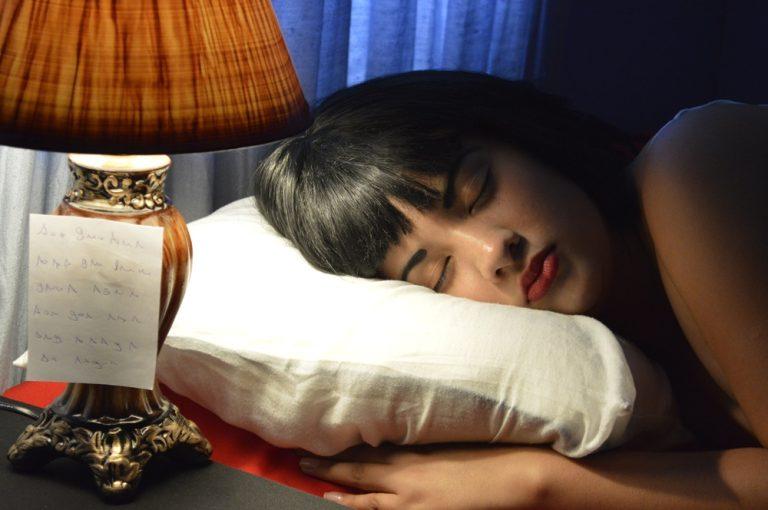
Your bedroom can make a noticeable difference to your sleep routine. Try to keep the room cool, dark, quiet, and comfortable.
Blackout curtains, an eye mask, earplugs, or white noise may be useful if light or noise regularly disturbs your sleep. A comfortable mattress and pillow can also make it easier to settle into bed.
It is also helpful to keep work materials, unnecessary electronics, and other distractions away from the sleeping area when possible.
Minimizing exposure to blue light
Newer invention has thrown a challenge to sleep blue light- blue rays from your mobile device, tablet, computer, and your television. The blue rays suppress melatonin, the hormone responsible for proper sleep.
Therefore, you are required to avoid the screen for at least one hour before you go to bed. You can enable the night mode feature on many electronic devices, which will help in the reduction of blue light exposure. Blue light-blocking glasses may also help.
Instead of indulging in screen time, you can also prepare your mind for sleep with other soothing activities, like reading a book or meditation.
Formulating a relaxing bedtime routine
An approach towards calming pre-bed rituals helps one prepare the body for unwinding, i.e., activities such as taking a warm bath, gentle yoga, or even just listening to soothing music.
Control diet and stay hydrated
What you eat and drink can affect your comfort at bedtime. Try to avoid large or heavy meals close to bedtime, particularly if they cause indigestion or heartburn.
Caffeine can remain active in the body for several hours, so coffee, tea, energy drinks, chocolate, and other caffeinated products may be worth limiting later in the day if they interfere with your sleep.
Alcohol may make some people feel sleepy initially, but it can disrupt sleep later in the night. It is also sensible to avoid drinking excessive amounts of fluid immediately before bed if nighttime bathroom trips are affecting your sleep.
Exercise regularly
Regular physical activity can support better sleep, but the best timing may vary from person to person. If exercising close to bedtime makes you feel more alert, finish your workout earlier in the day.
Stress and anxiety management
Anxiety and stress are factors one often finds as causing disturbed sleep and sleepless nights. Progressive muscle relaxation, meditative breathing or deep breathing has been shown to advance relaxation in the body, which may make it easier to relax before bedtime.”
List your anxieties or write a to-do list for what needs to be done the next day, as these activities help clear the careless fancies of your head. In severe instances, counselling or therapy from a professional may be required.
Nap limitations during the day
If naps make it harder to fall asleep at night, consider limiting them or taking them earlier in the afternoon. For adults who need a nap, keeping it brief may reduce the chance of interfering with nighttime sleep.
Comprehending and treating sleep disorders
Not infrequently, inferior quality of sleep is a symptom of some sleep disorder. Particular cases include sleep apnoea and restless leg syndrome, as well as chronic insomnia, and hence require their peculiar methods of intervention.
Sleep apnea, involve disrupting the airflow during sleep and are generally treated through the use of a CPAP machine. Restless legs syndrome manifests itself with intense and unrelenting impulse to move one’s legs; it is managed well by lifestyle changes and some medications.
In case of prolonged sleeping problems, it is always better to consult a healthcare expert for diagnosing and creating a well-suited treatment plan.
Welcoming natural light exposure
Getting natural light during the morning or earlier part of the day can help support your body’s sleep-wake rhythm. Spending some time outdoors during the day can therefore be a useful part of a healthy sleep routine.
Monitoring sleeping patterns
Understanding the sleeping patterns can provide insight on enhancing sleep quality. Devices, applications, or even just a traditional sleep diary could work in tracking sleep to draw a trend and areas of improvement. It gives us an insight into other variables, which cause alterations in our sleeping quality like diet and exercise or stress levels, so that we can modify our habits based on that information.
Realizing the role of mental health
Stress, anxiety, and depression can be associated with sleep difficulties, while ongoing sleep problems can also affect mood and daily functioning. If sleep problems continue or are affecting your daily life, speaking with a healthcare professional can help identify possible causes and appropriate treatment.
Taking supplements
For sleepless people, certain supplements may help. Melatonin supplements may be utilized to cure disruption in normal cycles of sleeping, especially for shift workers and people dealing with jet lag.
Uses of magnesium supplements have claimed to relax muscles and relieve tension, while other herbal products like valerian root or passionflower have been traditionally used for sleep. A medical consultation must be undertaken before any uptake of supplements for safety and effectiveness.
Incorporate relaxation techniques
Techniques for relaxing help persons to fall asleep much better. In progressive muscle relaxation, we squeeze a group of muscles and relax them, reducing tension and restoring calmness. Guided imagery, on the other hand, lets an individual picture his or her preferred calming and serene settings to soothe the mind further.
Breathing exercises such as the 4-7-8 technique are simple relaxation practices that some people find useful as part of a calming bedtime routine.
Conclusion
Improving your sleep does not have to involve complicated routines or expensive products. Consistent sleep and wake times, a comfortable bedroom, regular daytime activity, sensible caffeine and alcohol habits, and a relaxing bedtime routine can all support healthier sleep.
It is also important to remember that ongoing sleep problems are not always caused by lifestyle habits. Conditions such as insomnia or sleep apnea may require professional evaluation and treatment.
Start with one or two changes that fit naturally into your daily routine and give them time to become habits. Better sleep is usually built through consistency rather than a single quick fix.